Regular vacuuming is one of the most important parts of carpet maintenance. It removes loose dust, crumbs, hair and other surface debris before these particles become worked more deeply into the pile. However, a vacuum cleaner cannot remove every type of contamination.
Over time, carpets can accumulate embedded soil, oily residues, spillages and odours that ordinary vacuuming leaves behind. When this happens, professional carpet cleaning may be needed to treat the fibres more thoroughly and restore a fresher, more even appearance.
Signs Your Carpet Needs More Than Vacuuming
The need for professional cleaning is not determined solely by how old a carpet is. Household activity, outdoor dirt, pets, children and the carpet’s colour and construction all influence how quickly it becomes soiled.
The following signs often indicate that routine vacuuming is no longer sufficient.
The Carpet Still Looks Dull After Vacuuming
A carpet may remain flat, grey or generally tired even after it has been vacuumed carefully. This often happens when fine soil and residues have settled below the upper pile.
Foot traffic gradually pushes particles further into the fibres, where standard suction may struggle to reach them. This embedded contamination can alter how light reflects from the carpet, making colours appear muted.
Professional cleaning can loosen and extract deeper soiling, helping the pile look cleaner and more consistent.
High-Traffic Areas Are Becoming Noticeable
Hallways, stairs, entrances and routes between frequently used rooms usually show wear and soiling before the rest of the carpet. These areas receive repeated foot traffic, which compresses the pile and deposits dirt in concentrated paths.
Typical signs include:
- Darkened walkways
- Flattened carpet fibres
- Grey areas near entrances
- Uneven colouring across the room
- Clearly defined routes around furniture
- Soil returning soon after vacuuming
Although cleaning cannot reverse permanent fibre wear, it can remove contamination that makes these areas look more pronounced.
Stains Keep Reappearing
A mark that returns after household spot cleaning may have penetrated beyond the carpet’s surface. Residue from the original spillage or cleaning product can remain within the fibres and attract fresh soil.
Moisture may also carry contamination back towards the surface as the carpet dries. This is sometimes described as a stain reappearing or wicking back.
Professional treatment begins by identifying the likely type of stain and the carpet fibre. An appropriate cleaning method can then be selected without over-wetting the affected area or spreading the mark.
Unpleasant Odours Remain in the Room
Vacuuming removes dry debris, but it does not necessarily address the source of persistent odours. Spillages, pet-related contamination, food residues and moisture can settle within the carpet fibres or underlying layers.
Fragranced powders may disguise the smell temporarily without removing its cause. A professional cleaner can assess where the odour originates and determine whether the carpet itself can be treated effectively.
Not every odour comes from the carpet, so accurate assessment helps avoid cleaning the wrong surface.
The Carpet Feels Sticky or Rough
Carpet fibres can develop an unpleasant texture when they contain residues from spillages, unsuitable cleaning products or repeated use of surface treatments. Dirt then adheres more easily to the affected areas.
If the carpet feels sticky, stiff or rough after vacuuming, deeper cleaning may be required to remove the residue. The correct process should rinse and extract loosened contamination without leaving unnecessary product within the pile.
Pet Hair and Fine Debris Remain Embedded
Vacuuming can collect much of the visible pet hair, but finer hairs and particles may become entangled around carpet fibres. This is especially common in dense or textured carpets.
Repeated vacuuming from different directions may help, although deeply embedded material can remain. Professional equipment and suitable agitation methods can release contamination that ordinary household cleaning does not remove effectively.
Dust Appears Soon After Cleaning
If a room seems dusty again shortly after vacuuming, the carpet may contain fine particles below the surface. Walking across it can disturb this embedded material and release some of it back into the room.
Vacuum maintenance should be checked first, including the filter, bag or collection chamber and brush head. If the equipment is working properly but the problem continues, deeper carpet cleaning may be appropriate.
Spot Cleaning Is Creating Uneven Patches
Treating individual marks repeatedly can create sections that differ from the surrounding carpet. The cleaned area may appear lighter, or product residue may cause it to attract soil more quickly.
Once several patches have been treated, cleaning the wider carpet can produce a more consistent result. Professional cleaners can also test the fibres and assess colour stability before applying the selected method.
The Carpet Has Not Been Deep Cleaned for a Long Time
Carpets do not always look heavily soiled even when contamination has accumulated. Dark colours and patterned designs can conceal gradual changes, while frequently used rooms may become familiar enough that the difference is difficult to notice.
A professional assessment can establish whether the carpet would benefit from deep cleaning based on its condition, usage and fibre type rather than relying on a fixed timetable.
What Professional Carpet Cleaning Adds
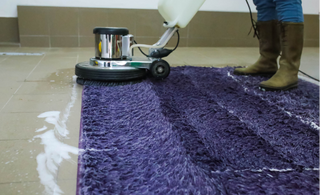
Professional carpet cleaning is designed to treat contamination beyond the reach of routine vacuuming. The process may involve fibre identification, pre-vacuuming, targeted stain treatment, appropriate agitation and controlled extraction.
The method should be selected according to the carpet rather than applying the same treatment to every surface. Wool, synthetic and blended fibres can respond differently to moisture, temperature and cleaning solutions.
A careful process aims to:
- Remove embedded soil
- Treat suitable spots and stains
- Reduce residue within the fibres
- Improve the consistency of the carpet’s appearance
- Refresh areas affected by regular household use
- Avoid unnecessary saturation
The achievable result depends on the carpet’s condition. Permanent discolouration, fibre damage and wear cannot always be removed through cleaning, but professional treatment can often produce a meaningful improvement where soiling is the main cause.
How to Maintain the Carpet Afterwards
Regular vacuuming remains important after a professional clean. High-traffic areas may need attention more frequently than rooms used only occasionally.
Useful maintenance steps include dealing with spillages promptly, using suitable entrance mats and avoiding excessive household cleaning products. Moving smaller items of furniture occasionally can also make it easier to vacuum areas where dust collects.
These measures help slow the return of visible soiling and preserve the results of professional cleaning.
Conclusion
Vacuuming is essential for removing loose surface debris, but it becomes insufficient when carpets contain embedded soil, recurring stains, persistent odours or residue. Dull high-traffic areas and an uneven texture can also indicate that deeper treatment is needed.
If your carpets no longer look or feel clean after regular vacuuming, K&S Carpet Cleaning Littlebourne can assess their condition and recommend a suitable cleaning method. Contact the team to arrange professional carpet cleaning in Littlebourne, Cambridgeshire.
Call us on: 01227 532 693
Click here to find out more about K&S Carpet Cleaning Littlebourne
Click here to complete our contact form and see how we can help with your carpet needs.