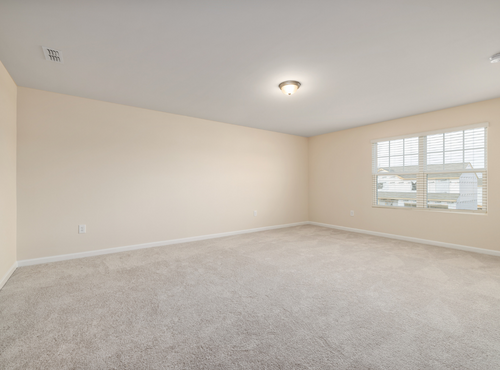
Office carpets experience far more concentrated use than many residential floor coverings. Entrances, corridors, reception areas and routes between desks can receive hundreds of footsteps each day, gradually leaving these sections darker, flatter and less consistent than the surrounding carpet.
Routine vacuuming is essential, but it mainly removes loose surface debris. Soil, fine grit and residues can become embedded within the pile, where ordinary equipment may struggle to reach them. Professional carpet cleaning can remove this deeper build-up and improve the overall appearance of a heavily used workplace.
How Professional Cleaning Improves Busy Office Carpets
The result depends on the carpet’s material, condition and maintenance history. Cleaning can remove accumulated soiling and improve the pile, but it cannot reverse permanent fibre damage. A professional assessment helps establish what improvement is realistically achievable.
Why Office Carpets Become Dull
Foot traffic carries dust, soil and outdoor debris into the building. These particles settle between the carpet fibres and may not be fully removed by routine vacuuming.
As people continue walking over the area, the contamination is pressed deeper into the pile. Fine grit can also create an abrasive action against the fibres, contributing to a dull and uneven appearance.
Common problem areas include:
- Main entrances
- Reception desks
- Corridors and walkways
- Routes to communal facilities
- Areas around office chairs
- Lift and stair entrances
- Meeting-room access points
- Spaces beside frequently opened doors
These traffic lanes may gradually become noticeable even when the rest of the office appears clean.
Removing Embedded Dirt
Professional equipment is designed to loosen and extract contamination from within the carpet pile. The cleaning method should be selected according to the fibre type, construction and level of soiling.
Pre-treatment may be applied to heavily used areas so that compacted dirt can be broken down before extraction. This targeted approach is more effective than repeatedly cleaning the entire carpet in the same way.
Removing embedded soil can help restore a more consistent colour across the surface.
Improving Flattened Traffic Lanes
Carpet fibres can become compressed where the same routes are used repeatedly. Some flattening is caused by trapped dirt and residues binding the pile together.
Professional cleaning may lift and separate these fibres, making the surface appear fuller and less matted. Agitation or pile grooming can also help the fibres settle more evenly as the carpet dries.
However, fibres that are permanently worn, distorted or damaged will not return to their original condition through cleaning alone. A reputable cleaner should explain the likely outcome before work begins.
Treating Spots and Localised Marks
Office carpets commonly develop marks from drinks, food, wet footwear and everyday workplace activity. Treating these spots with general household products can sometimes spread the contamination or leave a visible residue.
Professional spot treatment considers both the substance and the carpet fibre. The aim is to reduce the mark without causing discolouration or affecting the surrounding area.
Complete removal is not always possible, particularly where a substance has altered the fibre. Prompt professional attention generally provides the best opportunity for improvement.
Addressing Sticky Residues
Some apparent dirt is caused by residue left behind after spills or unsuitable cleaning products. These substances attract fresh soil, causing a treated area to become dark again quickly.
Professional extraction can remove both the visible contamination and the residue holding dirt within the fibres. This helps prevent the spot from reappearing simply because the surface continues attracting debris.
The source of repeated marks should also be considered as part of the cleaning process.
Refreshing the Overall Appearance
A clean carpet helps an office appear maintained and organised. Traffic lanes, scattered spots and uneven colouring can affect the impression created in reception areas, meeting rooms and shared workspaces.
Professional cleaning can create a more uniform finish by treating the heavily used sections alongside the wider carpet. It also removes the fine debris that can leave fibres looking grey or muted.
The objective is not to make an old carpet appear new, but to restore the best appearance its existing condition allows.
Why Vacuuming Is Still Important
Professional cleaning works most effectively as part of a broader maintenance routine. Regular vacuuming removes dry soil before it becomes embedded and reduces the amount of abrasive material within the pile.
High-traffic areas may require more frequent attention than quieter rooms. Suitable entrance matting can also capture much of the dirt carried in on footwear before it reaches the main carpet.
Vacuuming should include edges, corners and areas beneath accessible furniture rather than focusing only on open walkways.
The Importance of Selecting the Correct Method
Commercial carpets vary considerably. Some are constructed from synthetic fibres designed for heavy use, while others contain materials requiring more controlled cleaning.
The wrong technique can lead to excessive moisture, slow drying, shrinkage or changes in appearance. A professional cleaner should inspect the carpet before choosing the equipment, products and treatment method.
This assessment should consider:
- Fibre and construction type
- Level and distribution of soiling
- Nature of visible spots
- Previous cleaning treatments
- Condition of the carpet backing
- Accessibility around furniture
- Drying requirements
- Areas of genuine fibre wear
A planned approach provides a more consistent result than applying one method to every carpet.
Reducing Disruption to the Workplace
Commercial carpet cleaning should be organised around how the premises are used. The work may be completed in sections so that important routes and working areas remain manageable.
Furniture movement, drying time and access requirements should be discussed beforehand. Clear planning allows the carpet to be cleaned thoroughly without unnecessary disruption.
Once cleaned, the surface should be allowed to dry adequately before normal foot traffic resumes.
When a One-Off Clean Is Not Enough
A heavily soiled office carpet may improve significantly after one professional clean, but busy areas will continue collecting dirt. If the premises receive frequent visitors or daily foot traffic, planned maintenance can prevent contamination from becoming deeply embedded again.
The appropriate schedule depends on:
- Number of people using the building
- Amount of outdoor dirt entering the premises
- Carpet colour and construction
- Quality of entrance matting
- Frequency of routine vacuuming
- Use of food and drink within carpeted areas
- Appearance expected in customer-facing rooms
Regular assessment enables the cleaning frequency to reflect actual conditions rather than following a fixed approach.
Signs Professional Cleaning May Be Needed
An office carpet may benefit from professional attention when:
- Traffic lanes remain dark after vacuuming
- The pile looks compressed or matted
- Spots return after surface treatment
- Colours appear dull or inconsistent
- The carpet retains a stale smell
- Fine debris remains visible within the fibres
- Entrance areas soil rapidly
- Routine maintenance no longer improves its appearance
These symptoms should be assessed before assuming the carpet has reached the end of its serviceable life.
Conclusion
Professional cleaning can refresh heavily used office carpets by removing embedded soil, treating localised marks and improving the appearance of flattened traffic lanes. The level of improvement depends on whether the carpet is soiled or permanently worn, making an initial assessment important.
K&S Carpet Cleaning Littlebourne provides professional office carpet cleaning in Littlebourne, Kent, with methods selected for the carpet’s construction and condition. If your workplace carpets remain dull after routine vacuuming, contact the team to arrange an assessment.
Can Professional Cleaning Help Refresh Heavily Used Office Carpets?
Office carpets are exposed to concentrated foot traffic, outdoor dirt, drink spills and the repeated movement of furniture. Entrances, corridors and routes between desks can therefore begin to look dull long before the quieter parts of the carpet.
Regular vacuuming remains essential, but it cannot always remove fine soil and residues embedded deep within the pile. Professional carpet cleaning can provide a more thorough treatment, improving the appearance of heavily used areas and helping businesses maintain a cleaner, more presentable workplace.
How Professional Cleaning Can Revive Busy Office Carpets
The amount of improvement depends on the carpet’s construction, condition and maintenance history. Professional cleaning can remove substantial soiling, but it cannot rebuild fibres that have become permanently worn. An initial assessment helps distinguish dirt-related dullness from physical damage.
Why High-Traffic Areas Look Different
Office users tend to follow the same routes throughout the working day. This repeated traffic presses dirt into the fibres and gradually compresses the pile.
The most affected areas often include:
- Main entrances
- Reception areas
- Corridors
- Routes between desks
- Meeting-room entrances
- Spaces around office chairs
- Communal facilities
- Doorways and stair access points
These sections may become darker or flatter than the surrounding carpet, creating visible traffic lanes.
Removing Soil That Vacuuming Leaves Behind
Vacuuming collects loose dust and surface debris, but smaller particles can settle at the base of the pile. Repeated footsteps then compact this material and make it increasingly difficult to remove.
Professional equipment is designed to loosen and extract embedded contamination. Heavily soiled sections may receive targeted pre-treatment before the main cleaning process begins.
Removing deeper soil can restore a clearer, more even appearance across the carpet.
Improving Matted and Flattened Fibres
Some carpet fibres appear flat because they are held together by soil, residues and repeated pressure. Professional cleaning can separate and lift the pile, particularly when appropriate agitation and grooming are included.
The result may be a fuller and more consistent surface. However, cleaning will not reverse permanent wear, fibre distortion or damage caused by prolonged office-chair movement.
A professional cleaner should explain which areas are likely to improve and which may remain visibly worn.
Treating Spots and Spills Correctly
Coffee, food, wet footwear and everyday workplace activity can leave localised marks. Applying unsuitable products may spread the stain, alter the carpet colour or leave a sticky residue.
Professional spot treatment considers:
- The type of substance involved
- How long the mark has been present
- The carpet fibre
- Previous treatment attempts
- Whether the substance has changed the fibre itself
Prompt attention usually gives the best opportunity for improvement, although no responsible cleaner should promise that every stain can be removed completely.
Removing Residues That Attract More Dirt
An area may become dirty again soon after surface cleaning if detergent or spill residue remains within the carpet. Sticky material attracts fresh soil, producing a dark patch that appears to return repeatedly.
Professional extraction can remove both the visible dirt and the residue beneath it. This is why treating the cause of recurring marks is more effective than continually wiping the surface.
Refreshing Customer-Facing Areas
The condition of reception rooms, meeting spaces and entrances contributes to the impression an office creates. Noticeable traffic lanes and scattered marks can make a workplace appear less well maintained, even when desks and other surfaces are clean.
Professional carpet cleaning can provide a more uniform finish across these visible areas. The aim is to improve the existing carpet realistically, not to disguise permanent wear.
Selecting the Right Cleaning Method
Commercial carpets vary in fibre, backing and construction. A suitable method should be chosen after the carpet has been inspected rather than applying the same process in every office.
The assessment should consider:
- Carpet type and fibre content
- Depth and distribution of soiling
- Condition of the pile
- Nature of visible stains
- Previous cleaning products
- Furniture and access requirements
- Ventilation and drying conditions
- Level of daily foot traffic
Correct product selection and moisture control help produce a consistent result without unnecessarily saturating the carpet.
Planning the Work Around the Office
Professional cleaning can be organised to reduce disruption. Larger premises may be treated in sections, allowing essential routes and working areas to remain accessible.
Before cleaning begins, the contractor should discuss furniture movement, drying requirements and when each section can return to normal use. Good planning is particularly important in offices that remain occupied throughout the working week.
Supporting the Results With Routine Maintenance
Professional cleaning works best alongside regular care. Frequent vacuuming prevents dry soil from settling deeply, while effective entrance matting reduces the amount of dirt carried into the building.
Useful maintenance steps include:
- Vacuuming busy routes more frequently
- Cleaning entrance mats regularly
- Dealing with spills promptly
- Avoiding unsuitable spot-cleaning products
- Moving accessible furniture occasionally
- Monitoring areas around office chairs
- Arranging cleaning before severe soiling develops
A planned approach can help office carpets maintain a more consistent appearance between professional visits.
When Professional Cleaning Is Needed
Signs that routine vacuuming is no longer sufficient include:
- Dark traffic lanes that remain after vacuuming
- A visibly compressed or matted pile
- Spots that repeatedly return
- Dull or uneven colouring
- Embedded grit between the fibres
- Stale odours within carpeted areas
- Rapid soiling around entrances
- Customer-facing areas looking tired
These symptoms do not necessarily mean that replacement is required. A professional assessment can establish whether deep cleaning is likely to provide a worthwhile improvement.
Conclusion
Professional cleaning can refresh heavily used office carpets by extracting embedded soil, treating stains and improving the appearance of compacted areas. Its effectiveness depends on the carpet’s underlying condition, as permanent fibre wear cannot be removed through cleaning alone.
K&S Carpet Cleaning Littlebourne provides professional office carpet cleaning in Littlebourne, Kent, using methods selected for the carpet and level of use. If routine vacuuming is no longer restoring your office carpets, contact the team to arrange an assessment.
Call us on: 01227 532 693
Click here to find out more about K&S Carpet Cleaning Littlebourne
Click here to complete our contact form and see how we can help with your carpet needs.